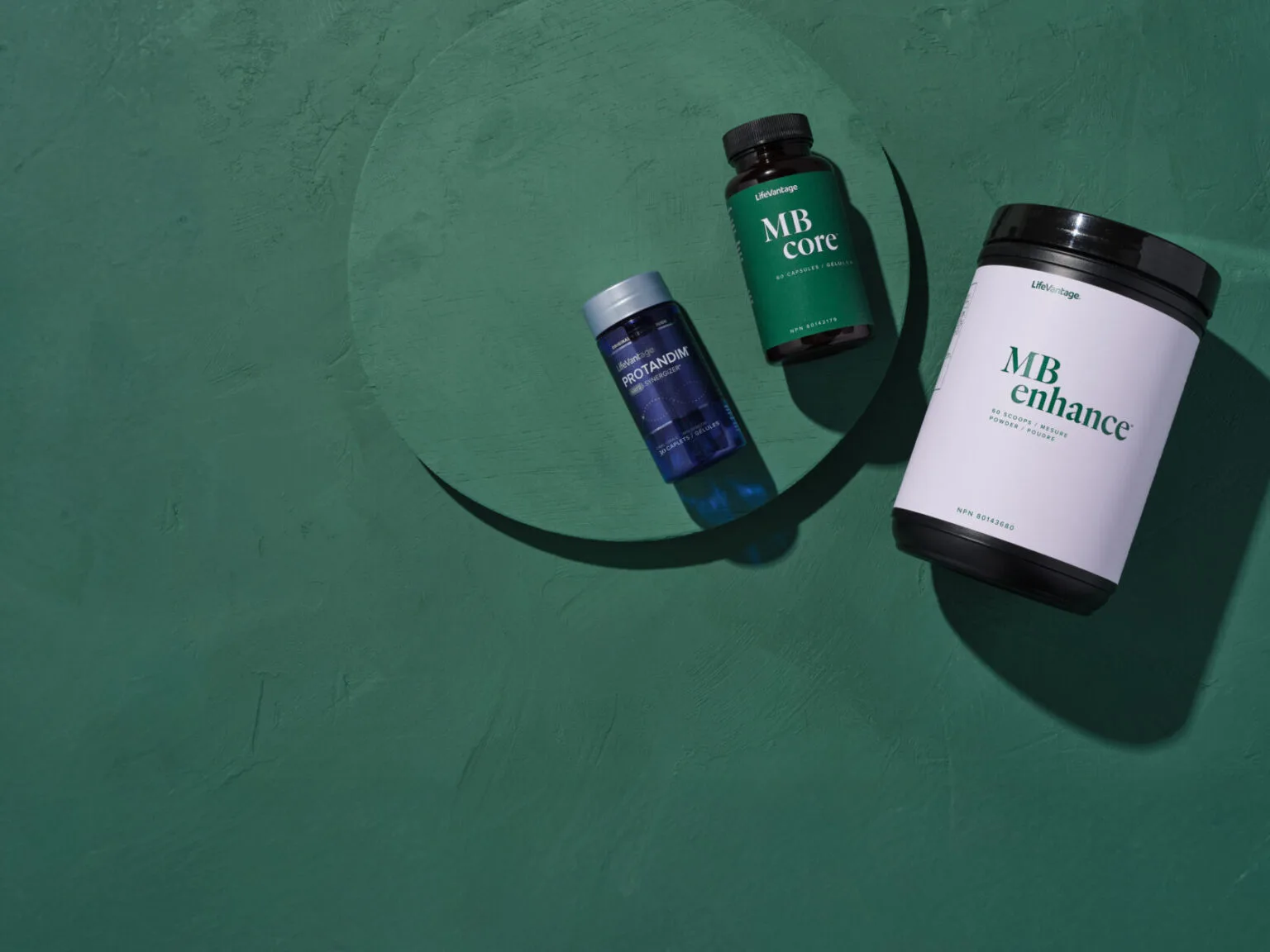
Cellular health support is relevant to more people than many realize because every person depends on energy production, repair, communication, and resilience at the cell level. When people search for “Who Can Benefit From Cellular Health Support?”, they are usually trying to turn a technical wellness idea into something practical. That matters because most people do not live inside research papers or supplement labels. They live inside routines, schedules, stress, meals, workouts, sleep debt, and real questions about how to feel better over time. A useful article on this subject has to connect the science to those daily realities, which is why cellular support is not only a conversation for older adults. and why stress, recovery, age, lifestyle, and health goals all shape who may benefit.
A good way to think about Who Can Benefit From Cellular Health Support is to zoom out before zooming in. Your body is constantly adapting to the environment you create for it. Every meal, hour of sleep, stressful week, workout, illness, and recovery period sends signals to your cells. Over time, those signals shape energy production, repair capacity, inflammation, resilience, and the pace at which your body feels like it is recovering from life. That is why the goal is not fear; it is supporting function sooner rather than later. It is not about perfection. It is about cumulative inputs.
Why this topic matters in real life
The reason this topic matters is that the body does not wait for a crisis before responding. Long before someone says they feel older, slower, flatter, more inflamed, or less mentally sharp, their cells have already been adapting to repeated stressors. In that sense, Who Can Benefit From Cellular Health Support is not some abstract lab-only concept. It is a framework for understanding why the basics matter so much. Energy, repair, detoxification, recovery, focus, and immune balance all depend on the quality of what is happening beneath the surface.
That also helps explain why people can look fine on the outside while still feeling off on the inside. Many wellness problems begin as a drop in resilience rather than a dramatic symptom. Someone may notice slower recovery, more afternoon crashes, weaker sleep quality, lower exercise capacity, mood changes, or more difficulty bouncing back from stress. Those experiences are not all caused by one factor, but they are often connected to the same big picture: the body is being asked to do more with fewer resources, less recovery, or less efficient regulation.
What shapes the outcome most
Several factors shape this outcome at once. Nutrition affects whether the body has the raw materials it needs. Sleep determines how well repair and regulation happen overnight. Stress changes hormone patterns, inflammation, digestion, and recovery. Movement changes circulation, energy demand, insulin sensitivity, and mitochondrial performance. Environmental load matters too, because alcohol, smoking, poor air quality, chronic overwork, under-eating, and overtraining all ask cells to do more defensive work. In other words, the body is always doing math, even when you are not.
What complicates the conversation is that no single input tells the whole story. People often want one answer: one deficiency, one supplement, one habit, or one diagnosis that explains everything. Usually the better question is, “What is the total pattern doing to my cells over time?” That question is more useful because it leaves room for several realities at once. You may need better sleep and steadier food timing. You may need more movement and less stimulatory coping. You may need targeted support, but that support works best when the larger environment improves too.
How to support the body in a practical way
Supporting the body in a practical way means reducing unnecessary strain while improving the signals that support recovery and regulation. In plain language, that means giving your cells an environment they can work with. The simplest version of that strategy is often the most effective: think about your current load, recovery, and habits instead of only your age. Then layer in the habits that make energy and repair easier, such as use education to decide whether support makes sense for your goals. Finally, remember that the body learns through repetition, which is why keep expectations realistic and personalized to your routine.
- Think about your current load, recovery, and habits instead of only your age.
- Use education to decide whether support makes sense for your goals.
- Keep expectations realistic and personalized to your routine.
This does not mean you need a rigid lifestyle. It means you need a usable one. In SEO-driven wellness content, one of the most helpful messages to reinforce is that sustainable routines beat dramatic promises. A person who eats reasonably well, walks daily, sleeps more consistently, manages stress better, and uses the right targeted support usually gets more long-term value than someone who jumps from protocol to protocol searching for a quick turnaround. The body is adaptive, and adaptation rewards repeated support.
Where people often get confused
One of the biggest sources of confusion is the tendency to oversimplify. People either assume this topic is everything or they dismiss it as meaningless. The better view is more nuanced. Who Can Benefit From Cellular Health Support is not a magic explanation for every symptom, but it is a useful lens for understanding why better inputs often produce broad improvements over time. Another mistake is assuming that feeling okay right now means nothing worth supporting is happening. Cells respond before the story becomes dramatic.
Another blind spot is chasing intensity instead of consistency. Wellness culture often rewards novelty, biohacks, or dramatic routines because they sound exciting. But biology usually responds better to predictable support than to occasional extremes. That is why the best strategy is usually boring in the best possible way: enough sleep, enough protein, enough movement, enough recovery, fewer avoidable stressors, and the right support chosen for the right reason. In other words, real progress often looks less glamorous and more repeatable.
How to think long term
The long-term view matters because this topic is really about healthspan. People want more than years; they want usable years. They want energy that lasts through the afternoon, focus that does not disappear under pressure, recovery that feels normal, and a body that can keep up with work, family, and purpose. That is why cellular-level support matters. It is not only about what happens today. It is about the quality of the trajectory you are building.
Seen that way, the question is not whether you can force the body into perfection. The question is whether you can create a better environment for adaptation than the one you had before. That is a much more hopeful and practical goal. It gives room for gradual improvement, smarter decisions, and support that works with the body instead of against it. For SEO readers arriving with curiosity, that framing is often what turns a complex topic into a useful one.
Another reason this topic deserves attention is that wellness education often jumps straight to tactics without explaining the underlying why. When readers understand the bigger story behind Who Can Benefit From Cellular Health Support, they become less dependent on trends and more capable of making calm, informed decisions. That matters because better health usually comes from better interpretation, not only better information. The person who understands why a habit matters is more likely to keep it when motivation drops.
Frequently asked questions
Is this only relevant for older adults?
No. One of the most important points in this article is that cellular support is not only a conversation for older adults. That means younger adults, busy parents, athletes, high-stress professionals, and older adults all benefit from thinking about the quality of their daily inputs. The goal is not to wait until the body feels broken before paying attention to support.
How long does it take to notice the impact of better support?
It depends on what changes you make, how consistently you make them, and how much stress the body is already carrying. Some people notice changes in energy, recovery, or routine adherence within weeks, while deeper improvements take longer. A better question is whether your trend line is improving, not whether one day feels dramatically different.
Do supplements matter more than lifestyle here?
Lifestyle usually sets the foundation because cells respond all day, not only when a product is taken. Supplements can play a supportive role, but they work best when sleep, food quality, stress, movement, and recovery are at least pointed in the right direction. That is why a systems view is more helpful than a supplement-only view.
Final thoughts
Who Can Benefit From Cellular Health Support matters because it gives people a more useful lens for making better daily decisions. Instead of chasing extremes, they can focus on the inputs that actually move the needle: better education, better routines, better expectations, and better follow-through. If this article does its SEO job well, it should leave the reader with more clarity, less confusion, and a stronger sense of what the next practical step looks like. That is exactly the kind of content that builds trust over time.