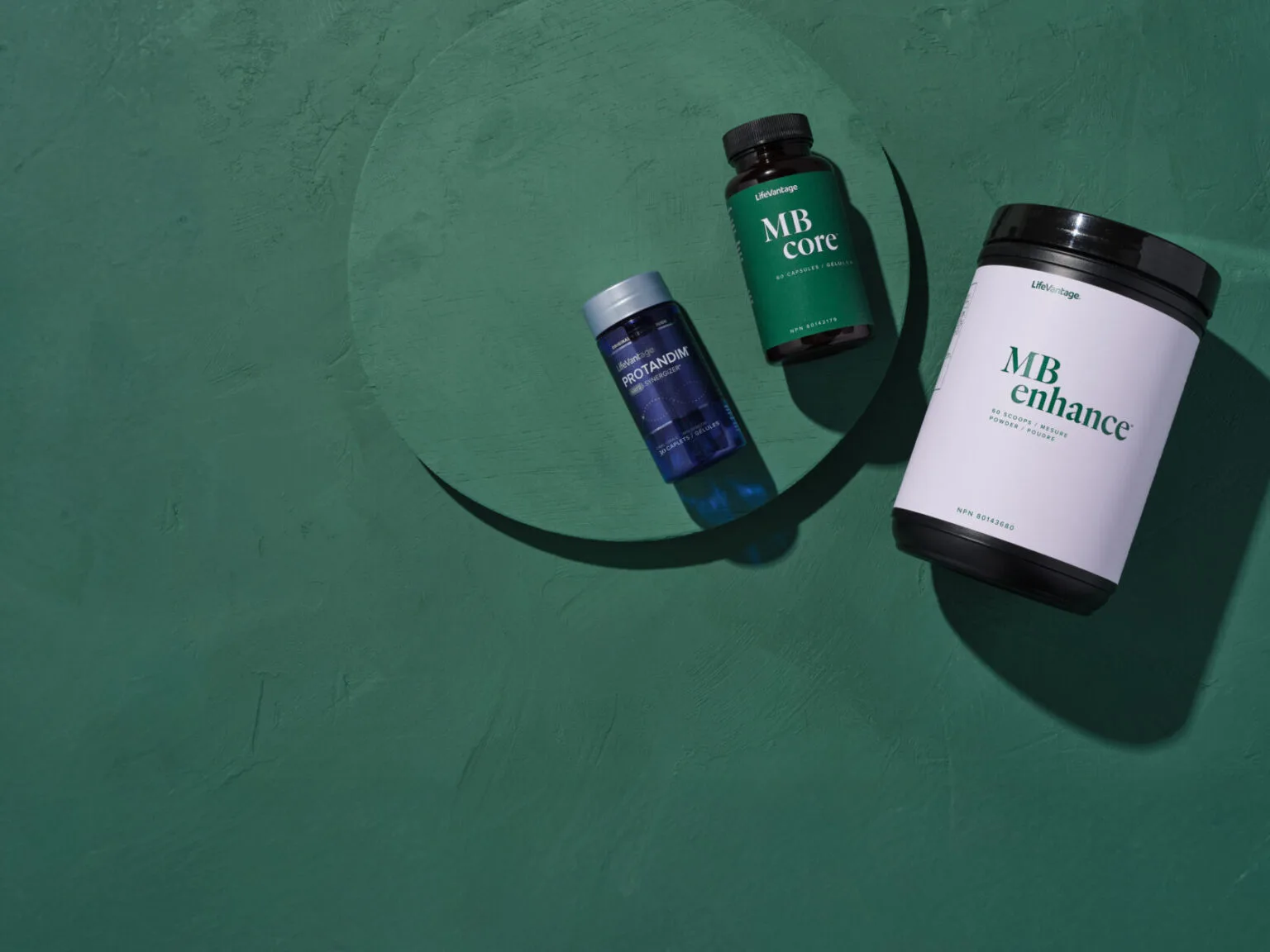
The best thing to pair with a supplement is often not another product but a repeatable habit that makes daily consistency easier and more natural. This matters because most supplement routines do not fall apart from lack of good intentions. They fall apart from friction. People forget what to take, when to take it, where they put it, whether they already took it, and how it fits into the rest of the day. The more uncertainty there is, the less likely a routine is to last long enough to be useful.
That is why consistency deserves as much attention as ingredients. A great product cannot do much inside a routine that is constantly skipped, rushed, or started over. The smartest question is often not “What else should I take with this?” It is “What existing habit can help me take this regularly and evaluate it honestly?” That shift changes supplement use from a memory challenge into a routine that feels anchored in daily life.
Why habit pairing works
People remember actions better when those actions are tied to something already established. This is why routines work. You do not need to reinvent motivation every morning to brush your teeth or make coffee. The cue already exists. Supplements become easier to follow when they are attached to that same kind of dependable cue. The habit does the remembering for you.
This approach also lowers decision fatigue. If every supplement requires its own separate reminder, your routine can start to feel like a chore. But if your products are tied to breakfast, your water bottle, your bedtime routine, or another daily anchor, they feel less like extra tasks and more like part of a repeatable rhythm. That is one reason simple routines are easier to maintain over time.
The best things to pair with supplements
For many people, food is the most reliable anchor. Breakfast, lunch, or another consistent meal creates a natural moment to take products. Water is another strong pairing because hydration already belongs in a good daily routine. Other people do well with visual anchors such as placing products where they prepare coffee, pack a lunch, or wind down at night. The goal is not to make the routine impressive. The goal is to make it easy to repeat.
- Pair supplements with a meal that happens most days.
- Keep them near a daily object like a water bottle or coffee setup.
- Use the same time cue rather than relying on memory.
- Choose a storage spot that is easy to see and easy to use.
- Keep the routine simple enough that you can follow it on busy days.
These pairings work because they reduce friction. A routine becomes stronger when it asks less from memory and more from structure. If you are forgetting products often, the answer is usually not more discipline. It is better design.
Why pairing with another product is not always the answer
People often assume the best way to improve a supplement routine is to add more supplements. Sometimes a product stack is helpful, but it is rarely the first problem to solve. If your routine is inconsistent, adding more steps often creates more confusion. You may end up feeling less clear about what you are taking, why you are taking it, and whether it is helping.
A more effective question is whether your routine has enough support around it. Are you hydrated. Are you eating regularly enough to remember the routine. Is the product connected to a moment that happens almost every day. Can you maintain the routine during busy weeks or travel. These are the conditions that make supplement use realistic. Without them, even a good plan can become fragile.
How meals and hydration support better use
Food and hydration do more than help with reminders. They also create a more stable context for the routine itself. A person who skips breakfast, rushes through lunch, and forgets to drink water may struggle with supplement consistency partly because the whole day lacks anchors. The solution may not be a new app or a more expensive product. It may be a more dependable first meal and a visible water habit.
This is especially helpful because supplements are often part of a broader goal such as better energy, healthy aging support, or more consistent wellness habits. Meals, hydration, and rhythm already support those same goals. When the routine is built around multiple supportive inputs instead of one isolated action, everything becomes easier to evaluate and sustain.
What clean feedback looks like
One benefit of a simple routine is that it gives you cleaner feedback. If you pair one or two products with clear habits and stay consistent, it becomes easier to notice whether the routine feels supportive. If you constantly change the timing, skip days, add extra products, or take things randomly, it becomes much harder to know what is happening. Consistency is not only about remembering. It is about learning.
This matters because people often judge products too quickly or too emotionally. A routine attached to strong daily cues gives the product a fairer chance. It also helps you notice whether the routine itself fits your life. If something still feels awkward after thoughtful pairing and simplification, that may be useful information too.
Common mistakes that break consistency
One common mistake is relying on motivation instead of structure. Another is choosing the ideal time instead of the reliable time. A person may believe they should take products at the perfect moment, but if that moment is easy to miss, the routine becomes unstable. A good-enough routine followed daily usually beats a perfect routine followed inconsistently.
Another mistake is creating a supplement plan that only works on easy days. If your routine falls apart the moment work gets busy or you are out of the house, it needs more simplification. The best wellness routines survive real life. They should work on ordinary Tuesdays, rushed mornings, and imperfect weekends, not only when everything goes according to plan.
A better way to build your routine
Start by identifying the strongest anchor in your day. That may be breakfast, brushing your teeth, packing your bag, sitting down at your desk, or winding down before bed. Then decide whether the product makes sense there. Keep the storage spot consistent. Reduce extra steps. If needed, use a simple reminder until the routine starts to feel automatic. This is how consistency becomes a system instead of a struggle.
If you use more than one product, ask whether they belong together or whether you are making the routine harder than necessary. Sometimes the best adjustment is not adding another supportive item. It is reducing the number of moving pieces so the routine becomes easier to trust.
Frequently asked questions
Is it better to pair supplements with food or with time of day?
For many people, food works better because meals are more tangible and easier to remember. The strongest pairing is usually the one you can follow consistently.
Should I take more products if I want better results?
Not automatically. Better consistency often improves the routine more than adding extra products. Start by making the current plan easier to follow.
What if my schedule changes a lot from day to day?
In that case, pair the routine with the most stable action in your day rather than a specific clock time. The cue matters more than the ideal schedule.
Final thoughts
What to Pair With Your Supplements for Better Daily Consistency matters because the best supplement routine is not the most complicated one. It is the one you can actually live with. When products are attached to habits that already happen, consistency improves, feedback gets cleaner, and the whole routine starts to feel more supportive instead of more demanding.
That kind of structure makes wellness easier. It reduces guesswork, lowers stress, and helps you build habits that last longer than a burst of motivation. In the long run, that may be one of the most important things you can pair with any product at all.