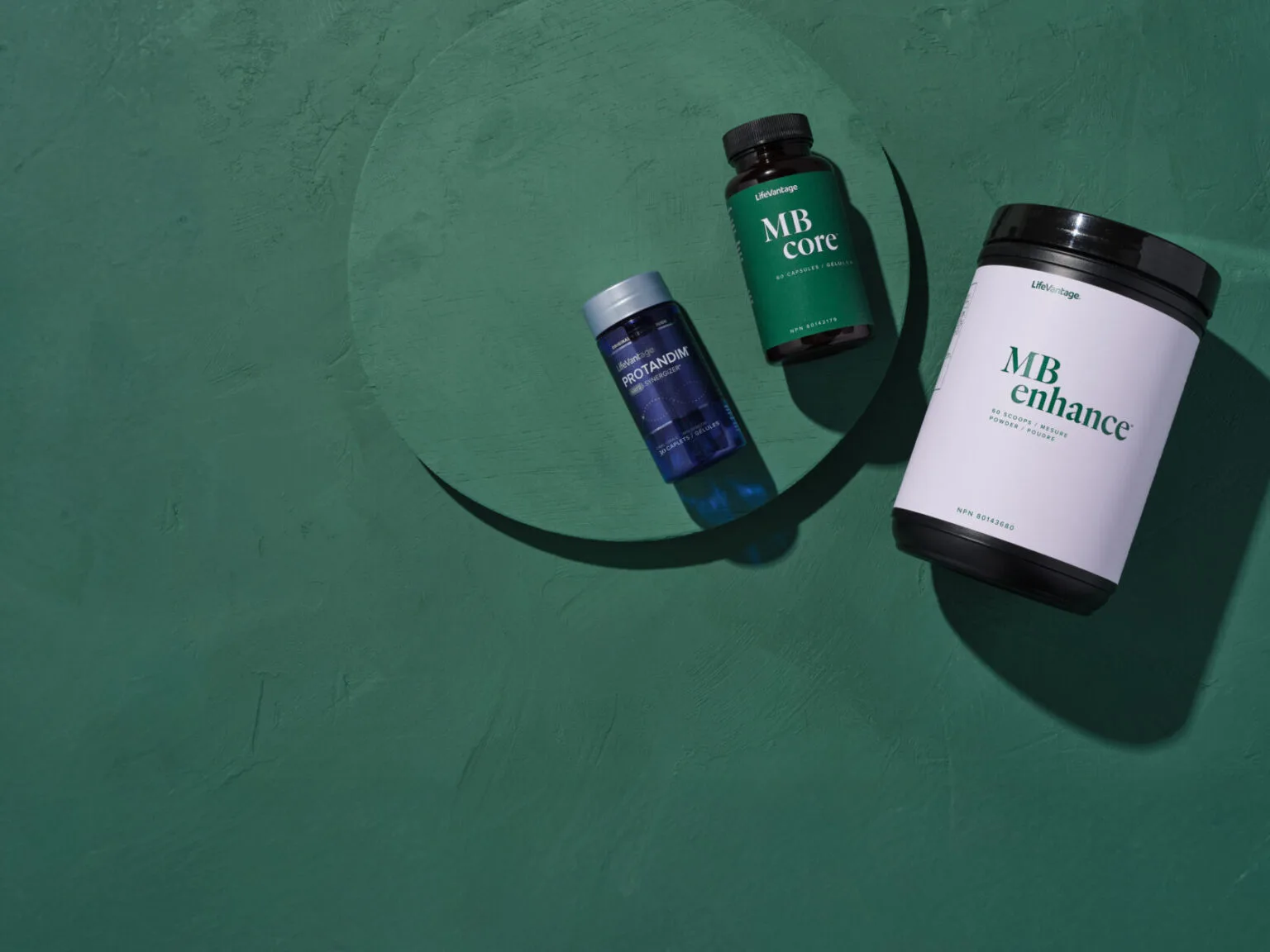
Better health product decisions start with better questions about purpose, ingredients, routine fit, expectations, and whether the product makes sense for the goal you actually have. This matters because wellness products are not like ordinary impulse purchases. People often buy them because they want more energy, better daily support, healthy aging help, or a stronger sense that they are taking care of themselves. That makes the decision more personal and more important. When the product matches the goal, the routine feels clearer. When it does not, confusion usually follows.
Many people shop too quickly because they are tired of not feeling their best. That is understandable, but urgency can make decision-making worse. The strongest question is not “What is the most impressive product?” It is “What problem am I actually trying to solve, and does this product realistically fit that goal?” Once you begin there, the rest of the decision becomes much easier to sort through.
Start with the goal, not the label
Before buying anything, ask yourself what you want help with right now. Is the goal steadier energy, a more consistent daily routine, healthy aging support, immune resilience, skin support, or something else. The clearer the goal, the easier it is to judge whether the product is actually relevant. Without that clarity, people often buy something that sounds interesting but does not fit their real need.
This question matters because product language can be broad. A label may sound wellness-focused, but that does not tell you whether it belongs in your life right now. One person may benefit from foundational support. Another may want a more targeted category. A third may need better sleep and meal consistency before any product decision becomes meaningful. The goal always comes first.
Questions about how the product works
Once your goal is clear, ask what the product is designed to do. What is the intended role. Is it a daily support product, a more targeted category, or something meant to complement an already established routine. What is the general mechanism or philosophy behind it. You do not need a graduate-level explanation, but you should understand the basic idea well enough to know why the product belongs in your plan.
Another useful question is what the product is not meant to do. This may be one of the most underrated questions in wellness. Every product has boundaries. Knowing those boundaries helps people keep expectations realistic. It also protects against disappointment created by asking one product to solve a problem that actually needs broader lifestyle support.
Questions about ingredients and formulation
People often jump straight to the ingredient list without thinking about what they are looking for. A better sequence is to first ask what category of support makes sense, then ask whether the formulation matches that purpose. You can look at ingredients, serving size, delivery format, and whether the formula aligns with the goal you identified. The key is not to memorize every line on a label. The key is to understand enough to make a thoughtful decision.
It is also smart to ask whether the formulation feels realistic for your routine. A good product on paper may still be a poor fit if the dosing feels too complicated, the schedule is hard to maintain, or the overall plan becomes overwhelming. A product is not only a formula. It is a behavior you have to repeat.
Questions about routine fit
Ask where the product would live in your day. What habit will remind you to take it. Can you use it consistently during busy weeks. Will it fit with breakfast, lunch, hydration, or another reliable cue. If the answer is vague, the routine may be fragile before it even starts. A product works much better when it fits into an existing rhythm rather than floating around as something you hope to remember.
This is why routine fit should always be part of the purchase decision. People often buy first and think about consistency later. But consistency is part of the product’s usefulness. If you cannot see how it belongs in your day, you probably need more clarity before buying.
Questions about expectations and timeline
Another crucial question is what kind of result you are expecting and on what timeline. Are you hoping for support that feels steady and gradual. Are you choosing something with a long-term healthy aging focus. Are you looking for a better daily baseline rather than a dramatic short-term feeling. These differences matter. Products should be judged in a way that matches their purpose.
It is also worth asking what success would look like in practical terms. More stable mornings. Fewer afternoon crashes. Better routine consistency. A stronger sense of daily support. Clearer expectations create clearer feedback. Without them, people often dismiss good products because the improvement did not arrive in the exact form they imagined.
Questions about quality and trust
You should also think about who you are buying from and why you trust the product. Does the brand communicate clearly. Is the product easy to understand. Does the messaging feel responsible. Do you have enough information to feel comfortable with the decision. Trust matters because health-related products carry more weight than casual purchases. People deserve clarity before they commit to a routine.
Price can be part of this conversation, but it should not be the only filter. A cheaper product is not automatically a better value, and a more expensive one is not automatically better quality. Quality, fit, clarity, and consistency all matter. The best question is whether the product earns its place in your routine.
Common mistakes these questions help prevent
Good questions help prevent several common mistakes. They reduce the chance of buying something because of hype alone. They make it less likely that you will choose too many products at once. They protect against unrealistic expectations. And they force the decision to connect with real life instead of staying in the abstract.
They also make follow-through easier. When you know why you chose a product, how it fits your day, and what you are looking for, you are more likely to stay consistent. Confident routines usually begin with clear questions.
Why good questions save more than money
The right questions do more than protect your budget. They protect your time, your attention, and your trust in wellness itself. A product that does not fit your goal can quietly add clutter to the routine. It can make you doubt whether anything works when the real problem was simply that the decision started from confusion instead of clarity.
Good questions also make future decisions easier. Once you know how to evaluate purpose, formulation, routine fit, and expectations, the whole category feels less overwhelming. You become much less likely to buy reactively, and much more likely to build a routine that actually deserves your consistency.
They also protect your confidence. When a purchase is made thoughtfully, you are less likely to second-guess the routine every few days. That steadier mindset gives the product a fairer chance and makes your overall wellness plan feel much more intentional.
Frequently asked questions
Do I need to understand every ingredient before buying?
No. But you should understand the product’s purpose, how it fits your routine, and the type of support it is meant to provide.
Should I buy based on the problem that feels most urgent?
Sometimes, but not always. It is better to choose based on the most important goal you can realistically support with a consistent routine.
Is routine fit really that important?
Yes. A health product is only useful if you can actually use it consistently enough to evaluate it honestly.
Final thoughts
What Questions Should You Ask Before Buying a Health Product? matters because better wellness decisions rarely start with stronger marketing. They start with stronger clarity. When you know your goal, understand the product’s purpose, and can picture how it fits into daily life, the decision becomes more grounded and much more useful.
That kind of buying is calmer, smarter, and easier to sustain. It helps people avoid cluttered routines and build wellness plans that make sense not only on the day they buy the product, but weeks later when the habit either becomes part of life or disappears.