After 40, daily wellness often improves most through consistent sleep, movement, protein, hydration, stress support, and routines that are realistic enough to repeat for years. This is an important conversation because people often imagine that getting older requires increasingly extreme wellness strategies. In reality, the basics become more valuable, not less. The body benefits from rhythm, recovery, and consistent support. What changes after 40 is not that the basics stop working. It is that their absence usually becomes more obvious.
Many people in this stage of life are balancing work, family, mental load, and shifting recovery capacity all at once. They do not need another impossible routine. They need habits that protect how they feel in the middle of real responsibilities. That is why the best daily habits for staying well after 40 are often the least glamorous ones. They create steadiness, and steadiness is what makes energy, resilience, and healthy aging easier to sustain.
Why daily habits matter more with age
As people get older, the body often becomes less forgiving of inconsistency. Poor sleep lingers longer. High stress feels heavier. Skipped meals are more noticeable. Recovery after travel, intense workouts, or very busy weeks may take more time. That does not mean decline is the only story. It means daily inputs matter more. The body responds strongly to patterns, and those patterns become easier to feel over time.
This is actually empowering. It means small habits still matter a great deal. A person does not need to do everything perfectly to feel better supported. But the basics need enough consistency to create a dependable baseline. That is where good daily habits come in.
Sleep is one of the strongest habits you can protect
If there is one habit that improves almost everything else, it is sleep. Sleep influences energy, mood, cravings, recovery, focus, stress response, and how well the body handles daily wear. After 40, protecting sleep often becomes even more valuable because the cost of poor sleep can be felt more clearly. One short night can affect the next day. Several short nights can affect the next week.
This does not mean sleep must be perfect. It means it deserves priority. Consistent timing, a calmer evening routine, and less late-night stimulation often do more for daily wellness than people expect. Good sleep creates the foundation that many other habits depend on.
Daily movement matters as much as formal exercise
Movement is another key pillar, and it helps to think about it in two parts. The first is structured exercise such as strength training or intentional workouts. The second is ordinary daily movement such as walking, standing, and reducing long periods of stillness. Both matter. Strength helps preserve capacity. Daily movement helps energy, circulation, mood, and metabolic steadiness.
Many people do better when they stop thinking in extremes. You do not need punishing routines to stay well after 40. You need regular movement that your body can recover from and repeat. A pattern of strength, walking, and recovery often provides more value than occasional bursts of hard effort followed by long gaps.
Protein, hydration, and meal rhythm
Nutrition becomes easier to manage when people focus on a few high-value habits rather than dietary perfection. Eating enough protein, staying hydrated, and having some structure around meals often helps energy, recovery, and consistency. After 40, this can be especially helpful because under-eating, rushing meals, or depending on convenience foods often makes the day feel harder than it needs to.
Hydration deserves special attention because it is easy to underestimate. Mild dehydration can affect focus, energy, and how supported the body feels overall. A visible hydration habit, especially early in the day, is one of the simplest ways to raise the baseline.
Stress support is part of healthy aging
One of the most overlooked wellness habits after 40 is learning how to regulate stress better. The issue is not only emotional. Stress affects sleep, recovery, digestion, energy, and decision-making. People may eat worse, move less, and sleep more lightly when stress is high. That means stress support is not a soft extra. It is part of the physical routine.
- Build some quiet into the day instead of waiting until total exhaustion.
- Take short walks to interrupt stress buildup.
- Reduce unnecessary stimulation at night.
- Protect a few habits that make your body feel safe and steady.
- Let recovery be part of the plan, not something earned afterward.
These habits matter because healthy aging is not only about adding more years. It is about improving how daily life feels. Stress support helps protect that quality.
Consistency beats intensity
Another important habit after 40 is choosing repeatability over drama. Intense plans are exciting, but they often create the same cycle: strong start, disrupted week, full stop, restart. A steadier routine usually does more because it compounds. When healthy habits become ordinary instead of heroic, they stop depending on mood and start becoming part of identity.
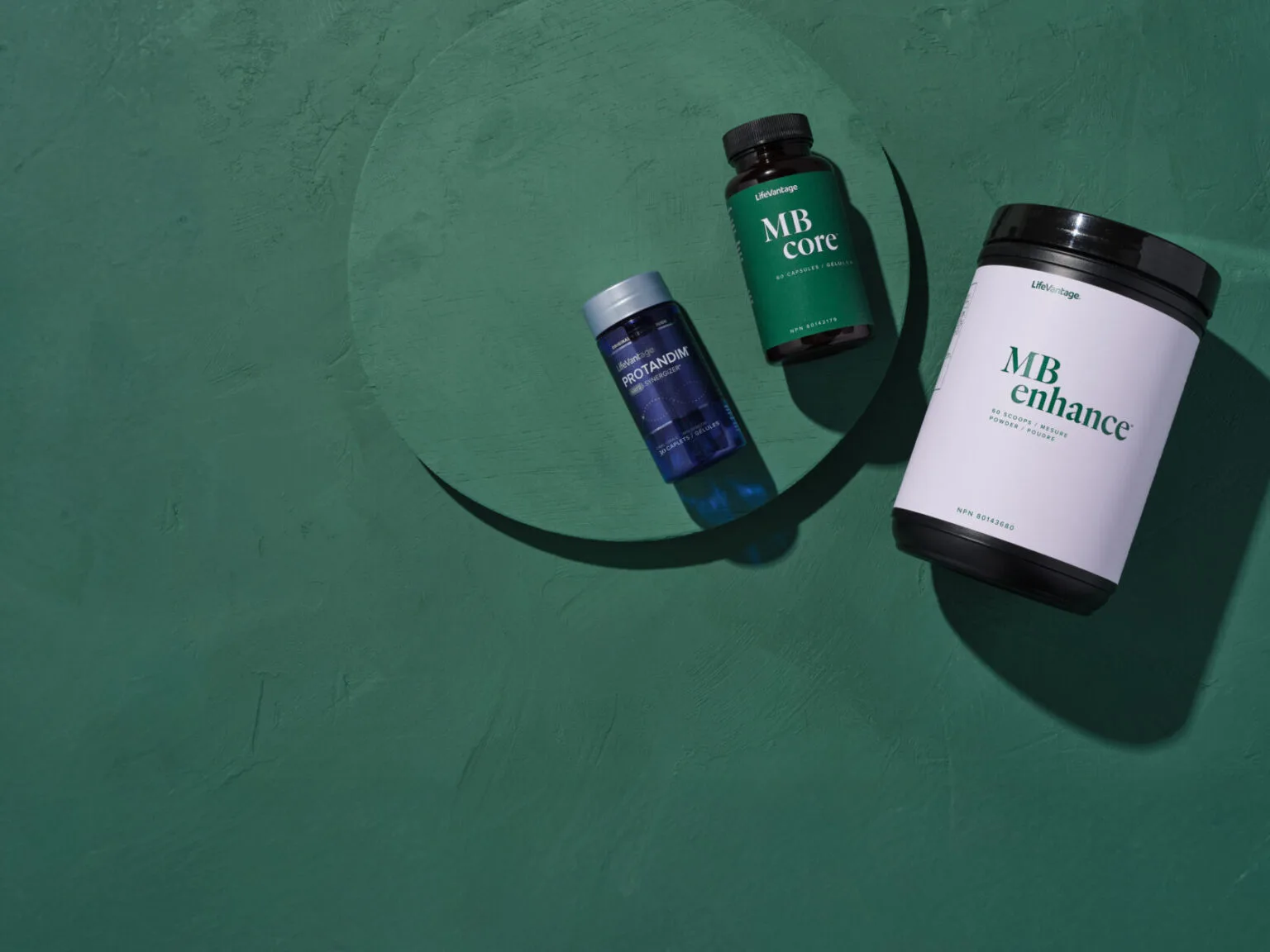
This is also where wellness products can fit. Products often work best when they reinforce an already supportive pattern of sleep, hydration, movement, and daily structure. They are most useful when they belong to the routine instead of trying to carry the whole routine alone.
What a realistic daily foundation can look like
A strong after-40 routine does not need to be complicated. It might include going to bed a little earlier, drinking water before coffee, eating protein with breakfast, walking after meals, doing strength work a few times a week, and keeping a simple product routine attached to reliable cues. None of those habits are flashy. Together, they can significantly improve the quality of daily life.
The key is realism. The routine should fit your responsibilities, your recovery capacity, and your actual schedule. A routine that works in theory but constantly collapses in practice is not the goal. The goal is dependable support.
Common mistakes to avoid
One common mistake is trying to fight aging with intensity instead of supporting the body with consistency. Another is neglecting strength, sleep, or protein while searching for more advanced interventions. A third is making the routine too complicated to survive normal life. These mistakes are common because they feel productive. But they often create more friction than benefit.
A better path is usually calmer. Build the foundation first. Protect what makes you feel steady. Let the routine evolve from there. Healthy aging is not a race to outsmart the body. It is a relationship with the body that improves when daily habits are thoughtful and repeatable.
Why boring habits often win
The habits that produce the most value after 40 are often the least dramatic. Drinking water, eating enough protein, walking, sleeping more consistently, and keeping a short recovery routine do not look revolutionary, but they are exactly the actions that keep the body supported through real life. Their power comes from repeatability.
This matters because healthy aging is cumulative. Small actions repeated for months and years often matter more than short bursts of intensity. The more ordinary a helpful habit becomes, the more likely it is to stay with you long enough to make a real difference.
Frequently asked questions
What habit matters most after 40?
There is no single answer, but sleep is often one of the strongest foundations because it influences energy, stress, recovery, and decision-making all at once.
Do I need intense workouts to stay well?
Not necessarily. Strength, walking, and consistency are often more sustainable and more supportive than constantly pushing intensity.
Where do products fit into this kind of routine?
Products fit best as support for already useful habits. They work better when paired with sleep, hydration, movement, and consistent daily care.
Final thoughts
The Best Daily Habits for Staying Well After 40 matters because this stage of life rewards steadiness. The more people support sleep, movement, stress regulation, hydration, and nutrition in practical ways, the more capable and resilient they often feel. That is the real value of good habits. They improve not only long-term health, but everyday life.
After 40, the goal does not need to be perfection. It needs to be support that lasts. The routines that win are usually the ones that fit reality, protect energy, and make it easier to keep showing up for your health week after week.