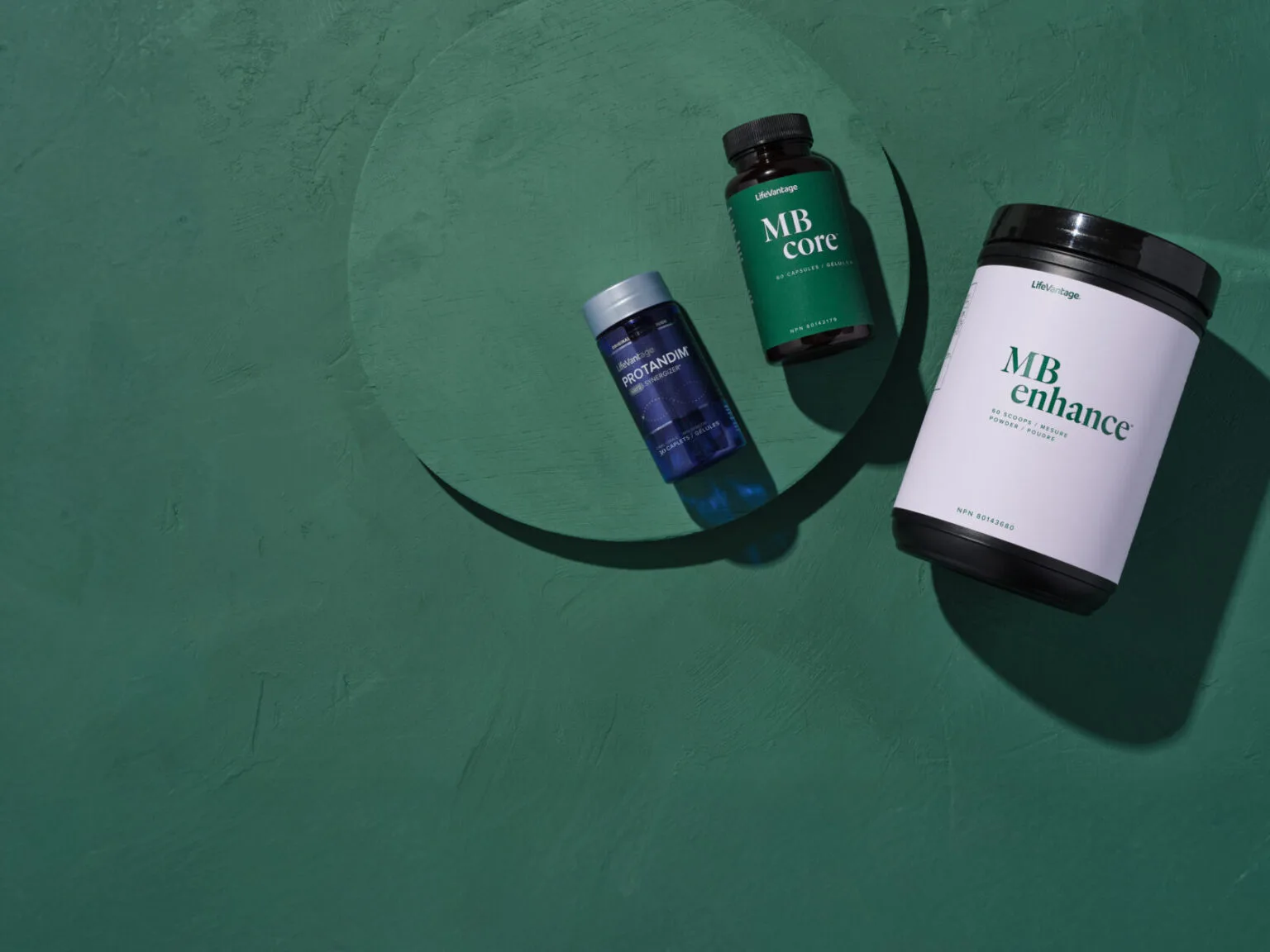
Seasonal changes affect sleep, stress, routines, and exposure patterns, which is why immune support works best as a steady daily practice rather than a last-minute reaction. Many people think about immunity only when the weather shifts, schedules get busier, or everyone around them seems run down. But immune resilience is not built in one day. It is shaped by the pattern your body lives in over time. Seasonal transitions simply make that pattern easier to notice.
This is why the conversation matters so much. Changes in weather and routine can influence how well people sleep, move, eat, hydrate, and recover. They may spend less time outside, encounter more stress, travel more, or move through periods of heavier social contact. None of those changes automatically create problems, but together they can raise the demand on the body. A steady immune-supportive routine helps reduce that strain and keep the baseline stronger.
Why seasonal changes can feel harder on the body
Seasonal transitions rarely affect just one thing. Shorter days may change sunlight exposure and sleep rhythm. Colder weather may reduce movement and outdoor time. Work and family schedules may become fuller during certain parts of the year. Travel can increase. Stress can build. Food choices may change. When several of those factors shift together, people often feel less steady even before they can explain why.
This is why immune support should be understood as a lifestyle conversation as much as a product conversation. The body does better when basic support remains dependable through changing conditions. A routine that is already grounded in sleep, hydration, food quality, movement, and recovery tends to hold up better during seasonal stress than one that only turns toward support when someone feels run down.
Sleep and recovery come first
Sleep is one of the most important forms of immune support because it affects so many other systems at once. Poor sleep changes stress response, energy, food choices, and recovery capacity. During seasonal shifts, people often underestimate how much a slightly later bedtime, more screen exposure at night, or a busier calendar can affect how well they feel.
Recovery matters just as much. If stress is high and recovery stays low, the body has less reserve. This is why a calmer evening routine, better wind-down habits, and protecting sleep opportunity can be some of the most practical immune-supportive actions available. They may not feel dramatic, but they create the conditions in which resilience is easier to maintain.
Food, hydration, and routine stability
Immune support also depends on the ordinary stability of the day. Regular meals, hydration, and a reasonable intake of nutrient-dense foods help the body stay better supported through changing seasons. When schedules become rushed, people often skip meals, depend on convenience foods, and drink less water without realizing how much those patterns affect energy and recovery. The body handles seasonal pressure better when the basics stay steady.
Routine stability matters because the immune system does not operate separately from the rest of life. If the day becomes chaotic, sleep becomes weaker, stress rises, and food quality drops, immune resilience can feel more fragile. A stable routine may not eliminate every challenge, but it often improves how well people move through them.
Practical daily habits that help
Immune support works best when the habits are simple enough to repeat for weeks, not only for one highly motivated day. A few practical steps often go a long way:
- Protect sleep timing as much as possible during seasonal shifts.
- Keep hydration visible and consistent throughout the day.
- Build regular meals instead of waiting until energy drops.
- Keep some form of daily movement even when weather changes.
- Use recovery habits that lower stress instead of letting pressure accumulate.
These habits are valuable because they support the whole system. They help energy, mood, and resilience at the same time. That kind of broad support is especially useful during transitions, when the body is already adapting to change.
Where products fit into an immune-supportive routine
Products can absolutely be part of a thoughtful immune-support plan, especially when they are used consistently and with realistic expectations. The key is to see them as support rather than rescue. A product works best when it reinforces a routine that already includes sleep, food, hydration, and recovery. In that context, it becomes part of a broader system rather than a last-minute reaction to a stressful week.
This is also why simplicity matters. If your immune-support routine only appears when you are worried, it may be too reactive to be dependable. A steadier approach often works better. Choose products that make sense for your goals and pair them with habits that happen every day. That creates continuity, and continuity is what seasonal resilience often needs.
What people often get wrong
One common mistake is waiting until you feel run down before doing anything supportive. Another is confusing immune support with intensity. People may add too many products at once, try to overhaul everything in a day, or expect quick reassurance instead of better daily structure. But immune resilience is usually strengthened by steadiness more than urgency.
Another mistake is forgetting that stress counts. Seasonal support is not only about food and products. Mental load, overcommitment, poor sleep, and lack of recovery all matter. The strongest immune routine often includes more boundaries and better pacing, not just more things to take.
Building a seasonal plan that lasts
If you want a seasonal wellness plan that actually lasts, keep it simple. Identify the basics that help you feel steady. Protect them early, before the season becomes demanding. Attach products to reliable habits. Reduce avoidable friction. Think in weeks, not days. A stable plan is more useful than a reactive burst.
This kind of planning also feels calmer. Instead of waiting to feel behind, you create a routine that meets the season with more preparedness. That shift changes immune support from a fear-based response into a confidence-building habit.
Why preparation beats panic
Preparation works better than panic because it gives the body support before strain fully builds. A person who is sleeping better, drinking enough water, eating with more structure, and using supportive products consistently is usually in a stronger position than someone who waits until they already feel depleted to begin. The difference is not urgency. It is rhythm.
This is one reason seasonal planning is so helpful. It allows you to strengthen the basics before life becomes especially demanding. That does not guarantee a perfect season, but it often creates better resilience and a calmer sense that your routine is ready for real life rather than reacting to it too late.
Even simple preparation helps. A more regular bedtime, a visible water habit, groceries that support easier meals, and a consistent product cue can all make the season feel more manageable before pressure fully arrives.
Small preparation steps often create outsized stability later.
Frequently asked questions
Should I only think about immunity during colder months?
No. Seasonal changes simply make the topic more obvious. Daily immune support is really about steady habits that help the body stay resilient all year.
What matters most for immune support?
Sleep, recovery, food quality, hydration, movement, and manageable stress all matter. Products are most helpful when they support those basics instead of trying to replace them.
Is it better to build a seasonal routine in advance?
Usually yes. A supportive routine is easier to keep when it is built proactively instead of only appearing once you already feel depleted.
Final thoughts
How to Support Immunity During Seasonal Changes matters because the body responds to patterns, not just moments. Seasonal shifts can raise the demand on sleep, recovery, and daily rhythm, which is exactly why steady support becomes so valuable. The strongest immune routines are usually not the most dramatic. They are the most consistent.
When people protect the basics, reduce friction, and use products as part of a broader supportive pattern, seasonal changes often feel much easier to navigate. That is the real goal: not perfection, but better resilience in the middle of real life.