A wellness routine is working when it improves your daily experience in ways that are noticeable, repeatable, and sustainable instead of dramatic for a few days and gone the next week. That sounds simple, but it is one of the most common questions people have when they start taking wellness more seriously. They change their sleep schedule, clean up their diet, add daily movement, start a product routine, drink more water, or try to manage stress better, and then they wonder whether any of it is truly making a difference. The answer usually does not come from a single moment. It comes from a pattern.
That is why this topic matters so much. Many people expect proof that looks fast, obvious, and almost impossible to miss. Real wellness progress often looks quieter than that. It may show up as fewer afternoon crashes, steadier mood, better sleep quality, improved digestion, easier recovery, or more motivation to keep healthy habits going. Those shifts are meaningful because they affect ordinary life. If a routine makes it easier to feel clear, consistent, and capable across a normal week, that routine is probably doing more good than you think.
What progress actually looks like
One of the biggest mistakes people make is looking only for extreme outcomes. They want to know if they feel transformed. They want to see instant physical change. They want every good day to feel like proof and every bad day to mean failure. But wellness rarely works that way. The body responds to routines over time, and the results are often layered. First, you may notice that you are less reactive. Then you may notice that your mornings feel easier. After that, you may realize you are recovering better, thinking more clearly, or getting through your workday without reaching for as much sugar or caffeine.
Progress also tends to show up in how stable you feel, not just how good you feel. A person whose routine is working may still have stressful days, short nights, or off weeks. The difference is that they bounce back faster. Their baseline improves. They do not feel perfect, but they feel more supported. That change matters because long-term health is less about chasing peak days and more about improving the average quality of everyday life.
Signals that your routine may be helping
A good routine often improves multiple areas at once, even if only slightly at first. That is because sleep, movement, hydration, food quality, stress, and product use tend to influence one another. Better sleep may improve cravings. Better hydration may improve focus. A more consistent supplement routine may support steadier energy or recovery. When several small improvements begin to move in the same direction, that is often a sign the routine is working.
- Your energy feels more even from morning to evening.
- You recover more easily after busy days, workouts, or poor sleep.
- You feel less dependent on willpower to maintain healthy habits.
- Your digestion, focus, or sleep quality feels more predictable.
- You notice fewer dramatic highs and lows in mood or motivation.
These signs may not sound exciting, but they are exactly the kinds of changes that make routines sustainable. Wellness works best when it becomes easier to live well, not when it gives you one exciting week followed by confusion. If your choices are becoming easier to repeat, that is a meaningful form of progress.
Why people misjudge a routine too early
People often misjudge progress because they look too closely at short windows. They start a new routine on a Monday, have a stressful Wednesday, sleep badly on Thursday, and decide the entire plan is not working by Friday. That is not enough time to see a real pattern. A routine should be judged across a stretch of normal life, not under one unusually difficult set of circumstances.
Another reason people misjudge progress is that they change too many things at once. They improve their sleep, change their breakfast, start walking daily, begin a new supplement routine, cut back on sugar, and add more water in the same week. Then if they feel better, they do not know what helped most. If they feel worse or overwhelmed, they assume the whole plan is too hard. Progress becomes easier to measure when changes are simple enough to track and realistic enough to continue.
Better questions to ask yourself
Instead of asking, “Do I feel amazing yet?” try asking more useful questions. Do I have more stable energy than I did two weeks ago. Am I sleeping more deeply or waking less often. Do I feel less foggy in the afternoon. Is it easier to make healthy decisions. Am I recovering from stressful days with less effort. Do I feel more steady than before. Those questions are better because they capture real change.
It is also helpful to ask whether the routine fits your life. A routine that looks perfect on paper but constantly falls apart in real life is not working as well as it seems. A truly helpful routine is one you can follow through busy weeks, imperfect weekends, travel days, and low-motivation moments. If something becomes easier to maintain over time, that is evidence it belongs in your life.
How to track progress without becoming obsessive
The best tracking systems are simple. You do not need a spreadsheet with twenty categories unless that genuinely helps you. Most people do better with a short weekly check-in. Rate your sleep, energy, digestion, stress, recovery, and consistency on a scale of one to five. Write one sentence about what felt better and one sentence about what felt harder. After three or four weeks, look for patterns instead of judging one isolated day.
This kind of tracking keeps you engaged without turning wellness into a full-time job. It also helps you notice delayed benefits. Some routines do not feel dramatically different on day three, but they look clearly better by week four. A simple record can show progress that your memory misses. It also creates better conversations if you ever want to talk with a health professional or adjust your routine more intentionally.
Where products fit into the picture
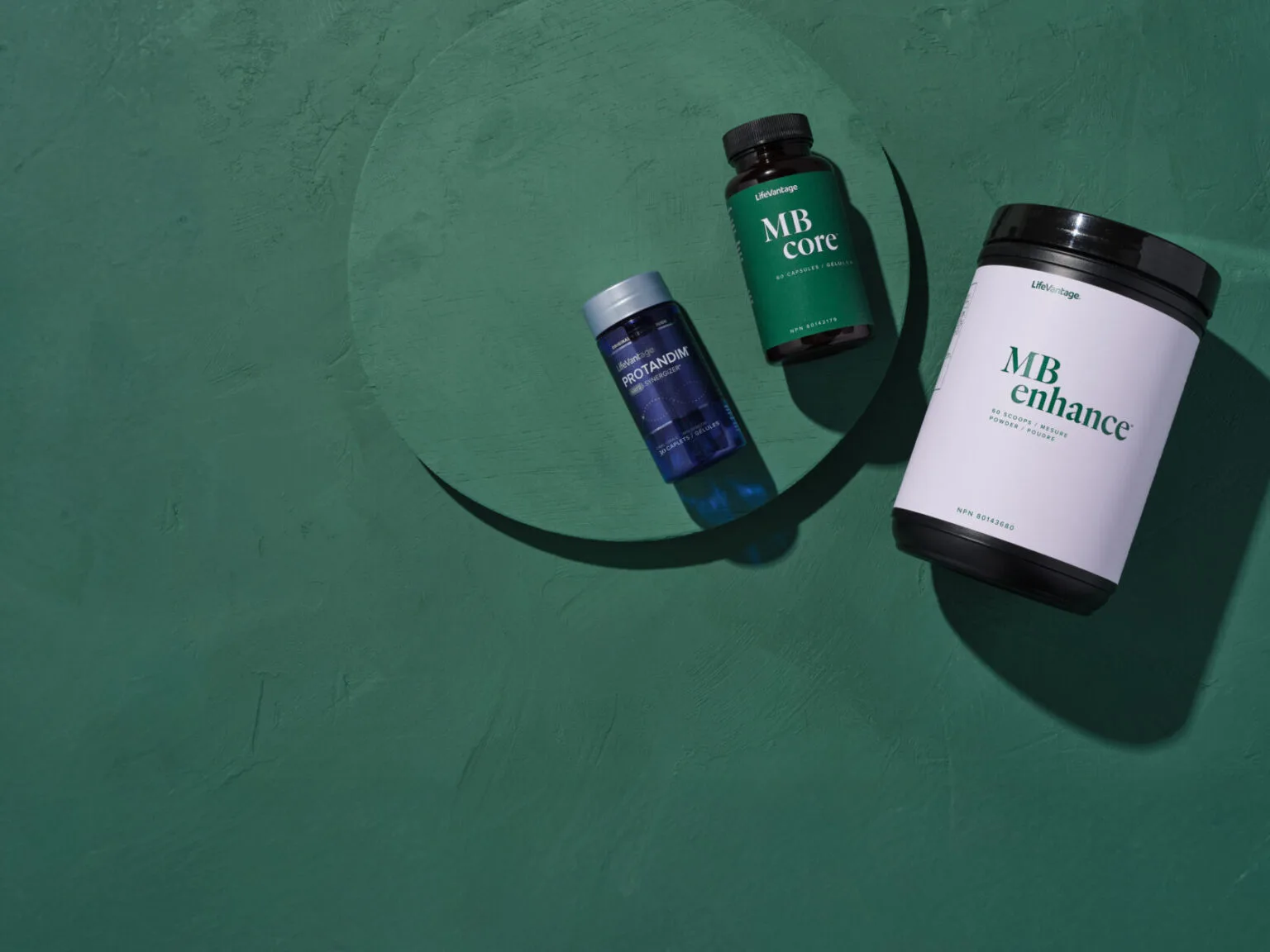
Products can be part of a helpful routine, but they work best when they sit inside a system that already supports health. If you are using wellness products, it makes sense to evaluate them in context. Are they helping you stay more consistent. Do they seem to support the goal you chose them for. Do they fit naturally into your day. Are they helping reinforce habits that already move you in the right direction. These are better questions than expecting a product to erase the effects of stress, poor sleep, or an inconsistent routine overnight.
This is especially important in product education because people often confuse “subtle” with “ineffective.” A wellness routine may be working even if the effect feels steady rather than dramatic. In many cases, that is a good sign. A calmer, more sustainable form of support is often more useful than something that feels intense for a few days but is impossible to maintain. Good routines usually make life feel more manageable, not more complicated.
What to do if you are not sure
If you are not sure whether your routine is working, simplify your evaluation. Keep the routine steady for a few weeks. Pay attention to the basics. Track only a few meaningful markers. Avoid judging everything by motivation or emotion. Then ask whether your average week feels better supported than it did before. If the answer is yes, that matters. If the answer is no, the next step is not to quit wellness altogether. The next step is to adjust.
Adjustment might mean improving sleep before adding more products. It might mean focusing on hydration and breakfast consistency. It might mean choosing one clear wellness goal instead of five vague ones. It might mean giving the routine enough time to produce a fair result. Wellness works better when feedback leads to refinement instead of all-or-nothing thinking.
Frequently asked questions
How long should I track a wellness routine before judging it?
Most routines deserve at least a few consistent weeks before you decide whether they help. Some effects show up quickly, but the more useful judgment usually comes from looking at patterns over time.
What if I feel a little better but not dramatically better?
That still counts. Small, steady improvements often matter more than dramatic swings. Better sleep, fewer crashes, improved recovery, and easier consistency are all real signs of progress.
Should I change everything if one part of my routine is not helping?
Usually no. It is often smarter to keep what is working and adjust what is not. Simple, specific changes tend to work better than starting from zero every time you feel uncertain.
Final thoughts
How to Know If Your Wellness Routine Is Actually Working matters because many people are closer to progress than they realize. The challenge is not always the absence of results. Often the challenge is learning how to recognize useful results when they arrive in ordinary, repeatable ways. Better energy, steadier focus, more reliable sleep, and improved consistency may not feel flashy, but they are often the foundations of real long-term health.
The more you learn to measure progress by patterns instead of perfection, the easier it becomes to build a routine that actually lasts. That shift changes wellness from a constant search for proof into a calmer process of paying attention, making adjustments, and supporting your health with more clarity over time.