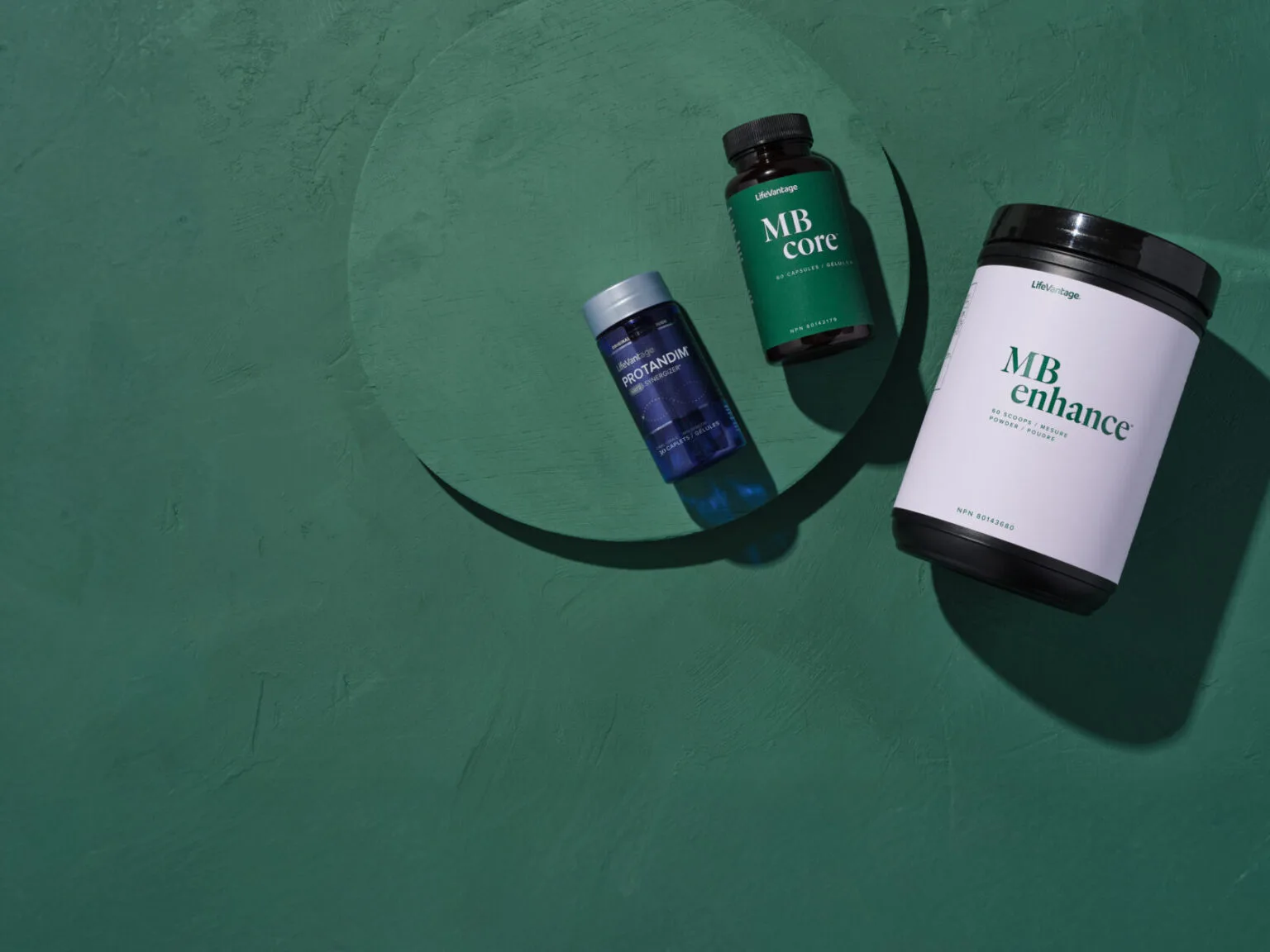
The right wellness product is easier to choose when you start with one clear goal, realistic expectations, and an honest look at the routine you can actually maintain. Many people make product decisions in the opposite order. They see a trend, hear a bold claim, or feel overwhelmed by too many options and then try to choose based on whatever sounds most impressive. That approach usually creates confusion. You may end up with products that do not match your real priority, a routine that feels too complicated, or expectations that no product should be asked to carry on its own.
Product choice becomes much simpler when the question changes from “What is the best product?” to “What am I trying to support right now?” That might be more stable energy, healthier aging, daily foundational support, immune resilience, skin support, or a more consistent wellness routine overall. Once the goal is clear, the decision becomes more practical. You can evaluate fit, routine, timing, and whether the product actually makes sense for the life you live.
Start with one goal, not five
The easiest way to make a poor decision is to expect one product to solve every concern at once. If your list includes low energy, poor sleep, skin concerns, digestive discomfort, stress, and inconsistency, that does not mean you need six different answers on day one. It means you need a place to start. Choosing one primary goal creates clarity. It helps you focus your evaluation and build a routine that feels manageable instead of chaotic.
This is especially important because many wellness goals influence one another. Better sleep may improve energy. Better hydration may help skin and focus. A clearer daily routine may support consistency in several areas at once. When people try to address everything immediately, they often become inconsistent. When they focus on the most important goal first, they usually learn faster and build better momentum.
Questions that lead to a better product fit
Before choosing a product, ask a few practical questions. What is my main goal right now. What does my current routine already support well, and where is it weak. Am I looking for foundational daily support or something more goal-specific. How many steps can I realistically stay consistent with. Do I understand what the product is meant to do. Those questions are more valuable than generic hype because they connect the product to your real life.
It also helps to ask what success would look like. If you choose a product for energy support, are you expecting fewer crashes, clearer mornings, or more consistency in how you feel. If you choose one for healthy aging support, are you thinking in terms of long-term routine and steady daily care rather than instant sensation. The more clearly you define the win, the easier it becomes to tell whether the product belongs in your routine.
Match the product to the type of goal
Some people need general support before they need specialization. If your routine is inconsistent, sleep is poor, meals are scattered, and hydration is low, a very advanced or complicated stack may not be the right starting point. You may benefit more from a foundational approach that supports a stable baseline and is easy to repeat. On the other hand, if your basics are already reasonably solid and you have a clear goal, a more targeted product choice may make sense.
That is why product education matters so much. The goal is not to chase novelty. The goal is to understand what the product is for, what it is not for, and how it fits into the rest of your routine. Good product decisions come from alignment. When the product, goal, and routine point in the same direction, consistency becomes easier and the experience usually feels more useful.
Why simplicity usually wins
People often assume a stronger routine must be a bigger routine. In reality, simpler routines often work better because they reduce friction. A person who reliably follows one or two well-chosen steps usually gets better value than a person who constantly rotates through products without understanding the purpose of any of them. Simplicity improves adherence, and adherence is one of the most underrated parts of product success.
This also protects against emotional shopping. When people feel tired, stressed, or impatient, they may want to add more. But more choices do not always create more support. Sometimes they create doubt. A simpler plan lets you notice what helps, stay consistent longer, and make better decisions about whether to adjust later.
What role your lifestyle still plays
No product exists outside the rest of your routine. If your goal is better daily wellness, you still need sleep, movement, hydration, and a basic eating pattern that supports energy and recovery. A product can complement those inputs, but it does not eliminate the need for them. In fact, products usually feel more useful when the surrounding routine becomes more stable.
This is good news because it means you have more than one way to help yourself. You are not dependent on finding one perfect answer. You can support your goal through better habits and then use products as part of that broader system. That mindset creates healthier expectations and better long-term confidence in your choices.
How to avoid common mistakes
One common mistake is choosing based on urgency instead of clarity. People want quick relief, so they buy whatever sounds strongest. Another mistake is choosing based on trend language without understanding the purpose of the product. A third mistake is expecting results that do not match the nature of the goal. Long-term healthy aging support should not be judged only by whether something feels dramatic in forty-eight hours.
A better approach is slower and smarter. Read the product with the goal in mind. Look at whether it fits your routine. Consider whether you can stay consistent. Be realistic about what kind of change you are hoping to notice and on what timeline. That kind of decision-making may feel less exciting, but it is usually much more effective.
How to know you chose well
A strong product fit usually becomes obvious in practical ways. The product makes sense to you. You understand why you are taking it. It fits easily into your day. It supports a clear goal. It feels like part of a routine rather than a random experiment. Most importantly, it reduces confusion instead of adding to it. Good wellness choices tend to create clarity.
That does not mean the product will answer every question immediately. It means you can evaluate it honestly because the purpose is clear. You know what you are looking for. You know whether the rest of your routine supports the same outcome. And you know how to judge the product as part of a bigger system rather than as a miracle or a disappointment.
Frequently asked questions
Should I choose a product based on the most urgent problem I feel?
Not always. Urgency can be useful, but clarity matters more. Start with the most important goal you can realistically support and build from there.
Is it better to start simple or with a full routine?
For most people, starting simple works better. A routine that is easy to understand and follow usually leads to more consistent use and better decision-making over time.
Can a good product still feel wrong for me?
Yes. A product may be well designed but still not be the right match for your current goal, expectations, or routine. Fit matters as much as quality.
Final thoughts
How to Choose the Right Wellness Product for Your Main Goal matters because better choices usually come from better questions. When you define the real goal, simplify the decision, and understand how the product fits into daily life, the process becomes less confusing and far more useful. You stop shopping emotionally and start choosing intentionally.
That shift builds confidence. It helps people stay consistent, evaluate products more fairly, and create routines that feel supportive instead of overwhelming. In the wellness space, that kind of clarity is one of the most valuable outcomes you can have.