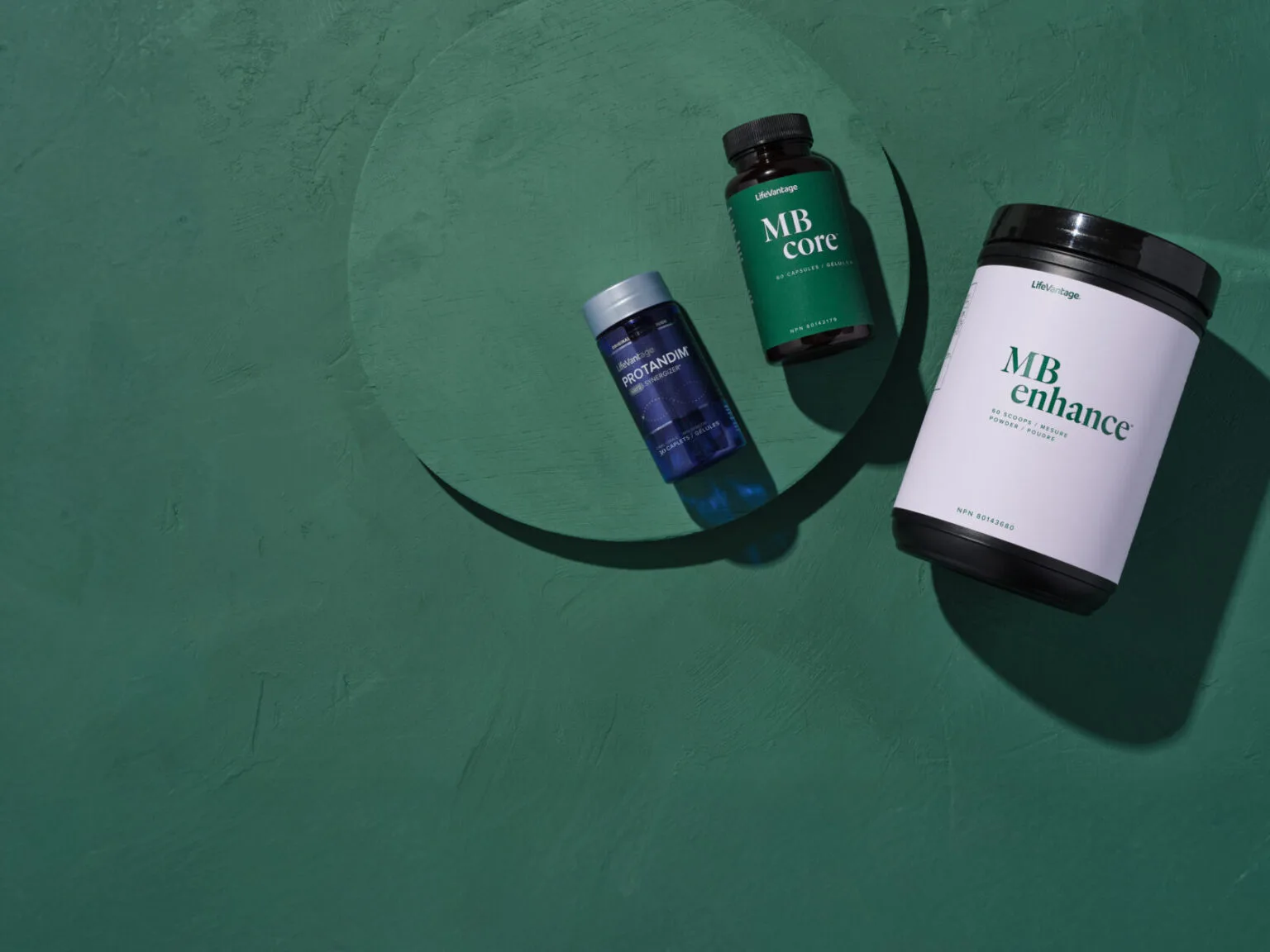
LifeVantage product education often emphasizes support for the body’s own processes instead of positioning formulas as a replacement for those processes. Topics like How LifeVantage Products Work With Your Body (Not On It) matter because the supplement conversation is changing. More people want to know how a product works, what the body is doing with it, what the realistic role of the product is, and how to use it inside a healthy routine. That shift is healthy because it moves the conversation away from hype and toward education. In that context, the main idea is support, activation, and signaling rather than override.
The strongest product education helps people understand mechanism, fit, and expectations. It does not treat a formula like magic, and it does not pretend the basics no longer matter. Instead, it connects product support to food, movement, recovery, stress, and consistent use. That is why this framing helps people think in terms of partnership with the body. and why better product conversations happen when education comes before sales language. When readers understand that, they become more confident decision-makers and less reactive shoppers.
Why this conversation matters
This conversation matters because many people still think about wellness products in old categories. They imagine a supplement either adds more of something or simply does not matter. Activation-focused education creates a different frame. It asks whether a product may support a pathway, improve a signal, or work alongside the body’s existing systems. Whether you are discussing LifeVantage specifically or activation-focused wellness more broadly, that shift gives people a more useful mental model.
It also changes how products should be discussed online. If the mechanism is more nuanced, the communication has to be more nuanced too. This is where education becomes central. People need plain language, not jargon overload. They need responsible claims, not inflated promises. And they need help understanding where a product fits inside real life, because a beautiful theory is not useful if someone cannot turn it into a routine they can actually follow.
How to think about mechanism and routine
A strong way to think about mechanism and routine is to ask three questions. What is the product designed to support? What does the body already do on its own? And how does the product fit into a daily rhythm that supports the same goal? Those questions create more clarity than simply asking whether a product is “good.” They also help prevent misuse, because people stop looking for a one-step shortcut and start thinking in terms of layered support.
That kind of thinking is especially important in conversations about activators, signaling, and cellular support. These ideas can sound impressive, but they only build trust when they are explained responsibly. Someone who understands the purpose of the routine is more likely to use it consistently, notice whether it fits, and ask better follow-up questions. In other words, better education produces better adherence and better conversations.
What smart product support looks like
Smart product support usually looks simple from the outside. Explain the mechanism simply before talking about routines or results. Pair product education with sleep, food, stress, and movement habits. Invite questions so people understand fit instead of feeling pushed. This is why product routines often work best when they are tied to existing habits such as breakfast, post-work movement, or a set time each day. The easier a routine is to remember, the more likely it is to become meaningful over time.
- Explain the mechanism simply before talking about routines or results.
- Pair product education with sleep, food, stress, and movement habits.
- Invite questions so people understand fit instead of feeling pushed.
This also protects against a common mistake in the wellness space: assuming that more products automatically mean better support. In practice, confusion often lowers adherence. A clear routine with clear purpose is usually more valuable than a crowded routine with weak understanding. That is especially true when the goal is long-term support rather than a dramatic short-lived push.
What people often misunderstand
One misunderstanding is assuming that “working with the body” means results should feel instant or dramatic. Often the more responsible expectation is steadier support over time, especially when the product is part of a broader lifestyle strategy. Another misunderstanding is treating education as optional because the product should supposedly “sell itself.” In health, the opposite is true. The more personal the decision, the more explanation usually matters.
A second misconception is that product education and product selling are separate activities. They are not. In a trust-based business, good education is often the most effective selling because it helps people understand whether the product is actually for them. That lowers resistance, improves confidence, and creates a far healthier relationship between brand, consultant, and customer.
How to use this information responsibly
Responsible use of this information means keeping the big picture in view. Products can support a routine, but they do not replace sleep, food quality, movement, hydration, or stress management. They are tools inside a system. That mindset protects people from overpromising, overspending, and overcomplicating what should be a clear wellness plan.
For SEO readers, that may be the most valuable takeaway of all. The best product content does not try to overwhelm or pressure. It helps a person understand enough to take the next right step, whether that is trying a routine, downloading a guide, or asking a better question. That is what trustworthy product education looks like in practice.
It is also worth saying that product conversations improve when they sound human. People do not only want mechanisms and labels. They want help translating a product into a routine, a question, or a decision they can actually live with. That is why thoughtful education remains such a strong SEO and trust-building asset in the wellness space. Clear product content lowers friction and keeps the relationship with the audience healthier from the start.
It is also worth saying that product conversations improve when they sound human. People do not only want mechanisms and labels. They want help translating a product into a routine, a question, or a decision they can actually live with. That is why thoughtful education remains such a strong SEO and trust-building asset in the wellness space. Clear product content lowers friction and keeps the relationship with the audience healthier from the start.
It is also worth saying that product conversations improve when they sound human. People do not only want mechanisms and labels. They want help translating a product into a routine, a question, or a decision they can actually live with. That is why thoughtful education remains such a strong SEO and trust-building asset in the wellness space. Clear product content lowers friction and keeps the relationship with the audience healthier from the start.
It is also worth saying that product conversations improve when they sound human. People do not only want mechanisms and labels. They want help translating a product into a routine, a question, or a decision they can actually live with. That is why thoughtful education remains such a strong SEO and trust-building asset in the wellness space. Clear product content lowers friction and keeps the relationship with the audience healthier from the start.
Frequently asked questions
Do I need to understand every scientific term before getting started?
No. In fact, the people who communicate best about products are usually the ones who can explain them in simple, accurate language. You do not need to sound technical to be trustworthy. You need to understand the basic mechanism, the purpose of the routine, and the questions a real person is likely to ask.
Should products replace the basics of a healthy lifestyle?
No. Product support becomes much more useful when it is paired with the basics. Sleep, food quality, movement, hydration, stress support, and routine consistency all matter. A product may complement those inputs, but it does not erase the need for them.
Why does education matter so much in product conversations?
Because health-related decisions carry more weight than ordinary purchases. People need clarity, context, and trust before they act. Education lowers confusion, improves expectations, and helps the right people make the right decision for the right reason.
Final thoughts
How LifeVantage Products Work With Your Body (Not On It) matters because it gives people a more useful lens for making better daily decisions. Instead of chasing extremes, they can focus on the inputs that actually move the needle: better education, better routines, better expectations, and better follow-through. If this article does its SEO job well, it should leave the reader with more clarity, less confusion, and a stronger sense of what the next practical step looks like. That is exactly the kind of content that builds trust over time.